
Root canal treatment in Moorooka
When the nerve inside a tooth is infected or damaged, root canal treatment can often save the tooth instead of taking it out.
When you book online, choose General Examination.
When a tooth needs it
Inside every tooth is soft tissue called the pulp, which contains the nerve. Deep decay, a crack or a knock can let bacteria in, and the pulp becomes inflamed or infected. Signs include:
- a toothache that lingers or throbs, especially at night
- pain with hot or cold that stays after the food or drink is gone
- swelling in the gum near the tooth, or a pimple-like bump on the gum
- a tooth that has turned grey after an injury
Sometimes there are no symptoms at all, and the problem shows up on an x-ray at a check-up.
What happens
- We examine the tooth and take an x-ray to confirm what’s going on, then explain your options and the cost.
- We numb the tooth with local anaesthetic.
- We clean out the infected pulp and shape the canals inside the root.
- We seal the canals with a special filling.
- Because a root-filled tooth can be more brittle, back teeth often need a crown afterwards to protect them. We’ll tell you if yours does.
Root canal treatment often takes more than one visit. We’ll explain each step before we start it.
Why save the tooth?
Taking a tooth out is quicker, but the gap it leaves can let neighbouring teeth drift, make chewing harder, and usually needs filling later with a bridge, denture or implant. Keeping your own tooth, where that’s possible, is often the better long-term option. We’ll go through both options with you, with the costs, so you can decide.
You can claim your health fund rebate on the spot with HICAPS.
After your treatment
- The tooth can feel tender for a few days. Over-the-counter pain relief, taken as the packet directs, usually helps.
- Until the tooth has its permanent filling or crown, avoid chewing hard food on that side — a root-filled tooth can be brittle.
- Call us if swelling gets worse, the pain is increasing rather than settling after a few days, or a temporary filling comes out.
What it costs, and what your fund pays
The cost depends mainly on the tooth: front teeth usually have one canal, back teeth up to four, and each takes more time. A crown afterwards is a separate cost. We’ll take an x-ray, then give you the cost of the whole plan before we start.
Root canal treatment usually falls under “major dental” in health fund extras, so how much you get back depends on your level of cover and how long you’ve held it. You can claim on the spot with HICAPS.
A guide only — you'll know the cost before anything starts. All fees
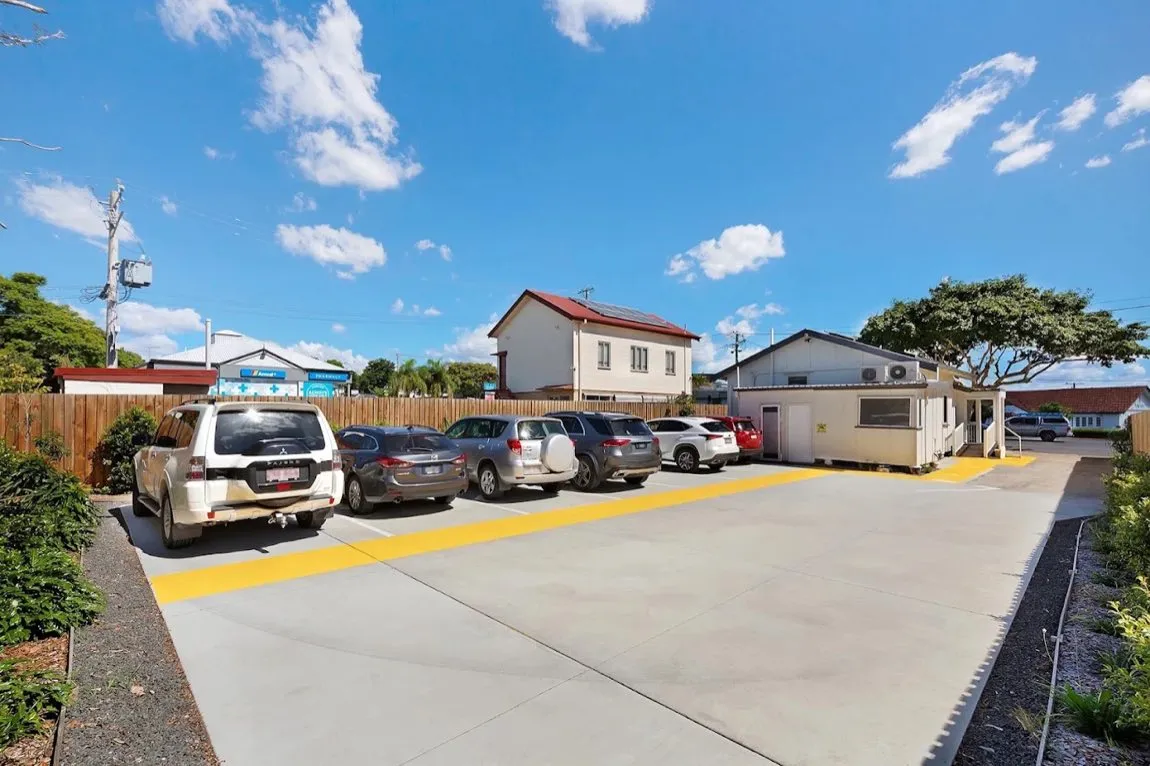 Off-street parking at the door — no circling Beaudesert Rd
104 Beaudesert Rd, Moorooka
Opposite Greencross Vet · free parking at the rear
Related treatments
Crowns and bridges
A crown protects and restores a damaged tooth; a bridge replaces a missing one. Both are fixed in place and made to match your teeth.
What's involved →Emergency dentist
Toothache, swelling or a broken tooth? Call us and we'll do our best to see you as soon as possible.
What's involved →General dentistry
Check-ups, cleans, fillings and the everyday care that keeps your teeth and gums healthy — with everything explained before we start.
What's involved →Questions people ask
Does root canal treatment hurt?
We numb the tooth with local anaesthetic before we start. Afterwards the tooth can feel tender for a few days; over-the-counter pain relief usually helps. If you're worried, tell us — we'll explain each step as we go.
How long will the tooth last afterwards?
A tooth that's had root canal treatment can last for many years, especially when it's protected with a crown and you keep up your check-ups.
Can't I just take antibiotics?
Antibiotics can calm an infection down for a while, but they don't remove the infected pulp inside the tooth, so the problem comes back. The tooth needs treatment.